

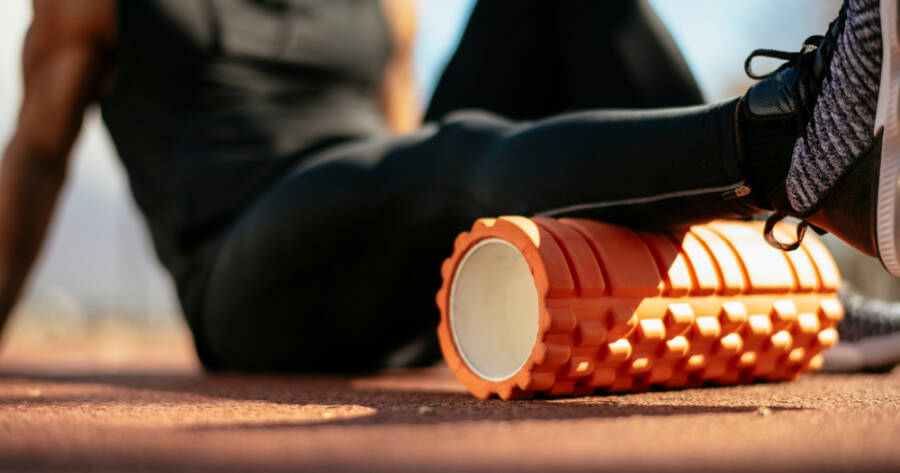
Foam rollers have become a simple and effective tool for post-workout recovery. After exercise, muscles can feel tight or sore, and foam rolling helps release that tension and improve movement. Innovative tools are widely used by athletes and everyday fitness users to support recovery without needing special equipment. By choosing the right foam roller, you can improve flexibility, reduce discomfort, and make recovery a regular part of your routine.
Why Foam Rolling Supports Recovery
Foam rolling is a form of self-massage that targets muscles and connective tissue. By applying pressure, it helps loosen tight areas and improve blood flow. This process, often called self-myofascial release, can reduce soreness and improve mobility after workouts.
Regular use can also help prevent stiffness from building up over time. Many athletes and physical therapists rely on foam rollers as part of a recovery routine because they are easy to use and effective for many muscle groups.
TriggerPoint GRID for All-Around Use
The TriggerPoint GRID is one of the most widely recommended foam rollers for general use. Its surface includes different patterns that apply varying levels of pressure, which helps mimic a hands-on massage.
This design makes it suitable for both beginners and experienced users. It provides enough firmness to work through tight muscles while still being comfortable for regular use. Its versatility makes it a strong starting point for most people.
RumbleRoller for Deep Tissue Relief
The RumbleRoller is designed for more intense recovery sessions. Its raised bumps create deeper pressure, allowing it to reach tight areas more effectively than smooth rollers.
This makes it a good option for people with dense muscle tissue or those who prefer a stronger massage. However, it may feel too intense for beginners, so it is often recommended for users who are already comfortable with foam rolling.
Hyperice Vyper for Vibration Therapy
The Hyperice Vyper adds vibration to traditional foam rolling, which can help relax muscles more quickly. This feature may improve circulation and reduce stiffness after intense workouts.
Vibrating rollers are often used by athletes who want a more advanced recovery tool. While not necessary for everyone, they can provide an extra level of comfort and efficiency during recovery sessions.
Brazyn Morph for Travel and Portability
The Brazyn Morph is designed for people who need a portable option. It collapses into a flat shape, making it easy to carry in a gym bag or suitcase.
Despite its compact design, it expands into a full-size roller when in use. This makes it a practical choice for frequent travelers who want to maintain their recovery routine on the go.
Lululemon Double Roller for Targeted Relief
The Lululemon Double Roller uses a two-part design that allows for both large muscle rolling and more focused pressure. This makes it useful for targeting specific areas like the calves or shoulders.
Its design helps users switch between general and precise recovery techniques without needing multiple tools. This flexibility makes it a strong option for those who want more control over their recovery routine.
Choosing the Right Foam Roller for Your Needs
The best foam roller depends on your experience level and recovery goals. Beginners often benefit from smoother, medium-density rollers that provide gentle pressure. More advanced users may prefer firmer or textured options for deeper muscle work.
Portability, size, and design also matter. A longer roller works well for full-body use, while smaller or specialized designs are better for targeted areas. Matching the roller to your needs helps improve both comfort and effectiveness.
Tips for Effective Foam Rolling
Using a foam roller correctly can improve results. Focus on slow, controlled movements rather than rushing through each area. Holding pressure on tight spots for a short time can help release tension more effectively.
It is also important to avoid rolling directly over joints or bones. Instead, target the muscle areas where tension builds up. Consistent use, even for a few minutes a day, can lead to better recovery over time.
A Simple Tool for Better Recovery
Foam rollers provide a practical way to support post-workout recovery. With options ranging from basic designs to advanced vibrating models, there is a tool for every level of experience.
The key is choosing a roller that fits your comfort level and using it regularly. With consistent use, foam rolling can help reduce soreness, improve mobility, and make recovery a natural part of your fitness routine.