

Stress can build up fast, especially during a busy day filled with constant demands and distractions. When your body stays in a tense state, it can affect your focus, mood, and overall well-being. Breathwork offers a simple and immediate way to reset. By changing how you breathe, you can calm your body and mind within minutes. With a few easy techniques, breathwork can become a reliable tool you can use anytime to reduce stress quickly.
Why Breathwork Works So Fast
Breathing is directly linked to your nervous system. When you are stressed, your breathing becomes shallow and quick. This signals your body to stay alert, which keeps tension high.
Slow, controlled breathing sends the opposite signal. It tells your body to relax and shift out of a stressed state. This change can lower your heart rate and help you feel calmer in a short amount of time. Because breathing is something you can control instantly, it becomes one of the fastest ways to manage stress.
Box Breathing for Immediate Calm
Box breathing is one of the simplest techniques to learn and use anywhere. It involves breathing in, holding, breathing out, and holding again, all for the same count.
Start by inhaling slowly for four seconds. Hold your breath for four seconds, then exhale for four seconds. After that, hold again for four seconds before repeating the cycle. This steady pattern helps slow your breathing and gives your mind something to focus on, which reduces stress quickly.
The 4-7-8 Method for Relaxation
The 4-7-8 breathing method is designed to promote relaxation and help your body settle down. It is especially useful when you feel overwhelmed or need to calm your thoughts.
Inhale through your nose for four seconds, hold your breath for seven seconds, and then exhale slowly through your mouth for eight seconds. The longer exhale helps release tension and signals your body to relax. Practicing this technique for a few cycles can create a noticeable sense of calm.
Diaphragmatic Breathing for Deep Relief
Diaphragmatic breathing, also known as belly breathing, focuses on taking deeper breaths that fully engage your lungs. Instead of breathing into your chest, you allow your abdomen to rise and fall.
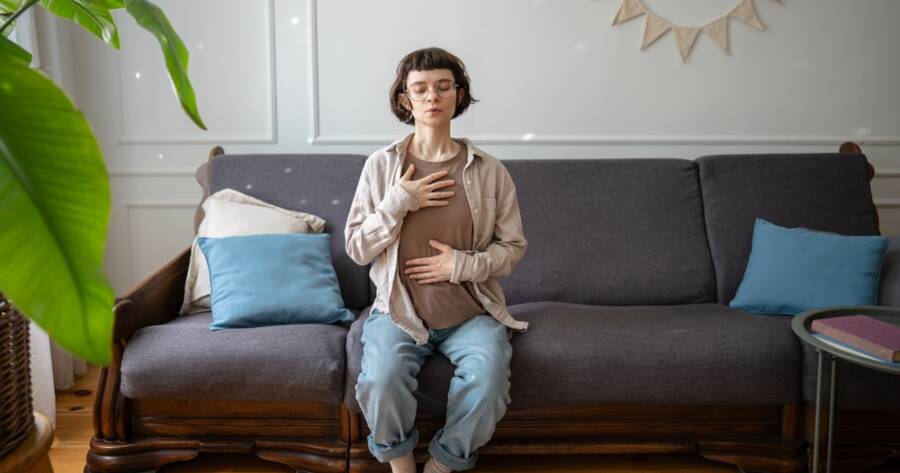
Place one hand on your chest and the other on your stomach. As you breathe in, aim to move the hand on your stomach more than the one on your chest. This type of breathing helps slow your heart rate and reduce physical tension. It is a useful technique for longer periods of stress relief.
Using Breathwork in Daily Situations
Breathwork can be used almost anywhere, which makes it a practical tool for everyday stress. You can use it during a work break, before a meeting, or while sitting in traffic.
Even a minute or two of focused breathing can help reset your state. The key is recognizing when stress is building and taking a moment to pause. Over time, this habit can help you manage stress more effectively throughout the day.
Pairing Breathwork with Simple Habits
Breathwork becomes more effective when paired with other calming habits. For example, stepping away from your screen, stretching, or sitting in a quiet space can enhance the effect.
You can also connect breathwork to existing routines. Practicing a short breathing exercise in the morning or before bed helps build consistency. These small additions make it easier to use breathwork regularly without needing extra time.
Avoiding Common Mistakes
One common mistake is trying to breathe too forcefully. Breathwork should feel natural and controlled, not strained. Forcing deep breaths can create tension instead of reducing it.
Another issue is inconsistency. Using breathwork only occasionally may limit its benefits. Practicing regularly, even when you are not stressed, helps make the techniques more effective when you need them most.
Making Breathwork a Habit
Turning breathwork into a daily habit does not require a large time commitment. Even a few minutes a day can make a difference. Starting small makes it easier to stay consistent.
You can set reminders or link breathwork to daily activities, such as taking a break or preparing for sleep. Over time, it becomes a natural response to stress rather than something you have to think about.
A Simple Way to Reset Your Mind and Body
Breathwork offers a fast and effective way to reduce stress without needing special tools or a set environment. By using simple techniques like box breathing, the 4-7-8 method, or diaphragmatic breathing, you can calm your body in minutes.
The key is to practice regularly and use these techniques when stress begins to build. With consistent use, breathwork can become a dependable tool that helps you stay calm, focused, and in control throughout your day.