

Chronic stress can feel like a switch stuck in the “on” position. Your heart races, your breath stays shallow, and your mind never quite settles. The good news is that your body has a built-in calming system, and you can reach it through the vagus nerve. The long, powerful nerve helps shift you from panic mode into rest mode. It’s helpful to understand simple daily habits that can reset it and lower your stress over time.
What the Vagus Nerve Actually Does
The vagus nerve is one of the longest cranial nerves in your body. It runs from your brainstem all the way down to your gut, with branches that reach into your heart, lungs, and digestive tract. This nerve is the main driver of your parasympathetic nervous system, which is often called the “rest and digest” mode. In simple terms, it tells your body when it is safe to slow down.
Think of the vagus nerve as a brake pedal for stress. When something scary happens, your body hits the gas with fight-or-flight signals. The vagus nerve steps in to slow your heart rate, soften your breathing, and ease tension in your muscles. When this nerve is weak or sluggish, stress can linger longer than it should. The good news is that you can train it like a muscle with the right daily habits.
Slow Breathing as a Reset Button
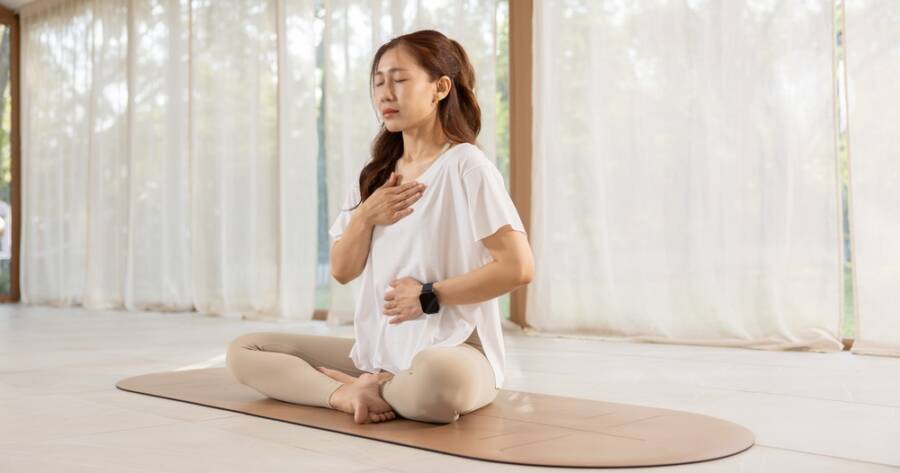
Slow, deep breathing from your diaphragm is one of the easiest ways to wake up the vagus nerve. When you take short, shallow breaths, you naturally feel more anxious. Switching to deep belly breaths sends a calming signal through your body and helps your nervous system shift gears.
Try this simple exercise the next time stress sneaks up on you. Take a deep breath, draw in as much air as you can, and hold it for five seconds or longer. Then exhale slowly and repeat the pattern in a steady rhythm. You can do this at your desk, in the car, or in line at the grocery store. Many people notice their shoulders drop and their thoughts slow down after just a few rounds. The more often you practice, the faster your body learns to find calm on its own.
The Power of Cold Water on Your Face
A quick splash of cold water on your face can be a fast reset for a stressed-out nervous system. Cold water on the face triggers a built-in reaction called the diving reflex. This reflex slows the heart rate and shifts your body into parasympathetic mode through vagus nerve activation.
You do not need to take an ice bath to get the benefit. Some people dunk their face in a bowl of cold water for 15 to 30 seconds. Others hold a cold pack or a bag of frozen peas against their cheeks and forehead. The chill works fast, which makes this a great trick before a stressful meeting or right after an anxious moment. Just be careful if you have any heart issues, and check with your doctor before trying it if you are unsure.
Humming, Singing, and Gargling Your Way to Calm
Your voice is another simple tool for resetting the vagus nerve. The nerve runs through your throat and connects to your vocal cords, so anything that makes those muscles vibrate can help stimulate it. Humming, chanting, and even loud singing in the car can do the trick.
Gargling water for about 30 seconds is another easy option that fits into a normal daily routine. These small actions might feel silly at first, but the science is solid. Vibration and steady exhaling tell your nervous system that you are safe. That signal helps you settle down faster than you might expect. Try humming a favorite tune while you make breakfast, or sing along to the radio on your commute. You are not just having fun—you are toning a nerve that helps your whole body feel better.
Building a Daily Vagus Nerve Routine
One reset session will not fix chronic stress, but daily habits can change how your body responds over time. Try pairing two or three of these tools together. For example, hum during your morning shower, take slow belly breaths on your commute, and splash cold water on your face before bed.
Other helpful habits include gentle yoga, meditation, foot massage, and easy walks outside. These practices have been linked to better vagal tone and lower stress in the body. The goal is not to feel calm just once. It is to train your body to bounce back faster, again and again, until calm becomes your normal setting instead of a rare break.
A Quiet Path Back to Calm
Chronic stress does not disappear overnight, and no single trick will solve it. But the vagus nerve gives you a real, science-backed pathway to feel better in your own body. Small daily habits like deep breathing, cold splashes, humming, and gentle movement can build up to a steadier, more settled state of mind.
If your stress feels heavy, or if your symptoms last a long time, it is a smart move to talk with a doctor or mental health expert. They can help you figure out what is going on and what other support might help. In the meantime, your vagus nerve is ready and waiting—just a few slow breaths, a hum, or a cool splash of water away.