

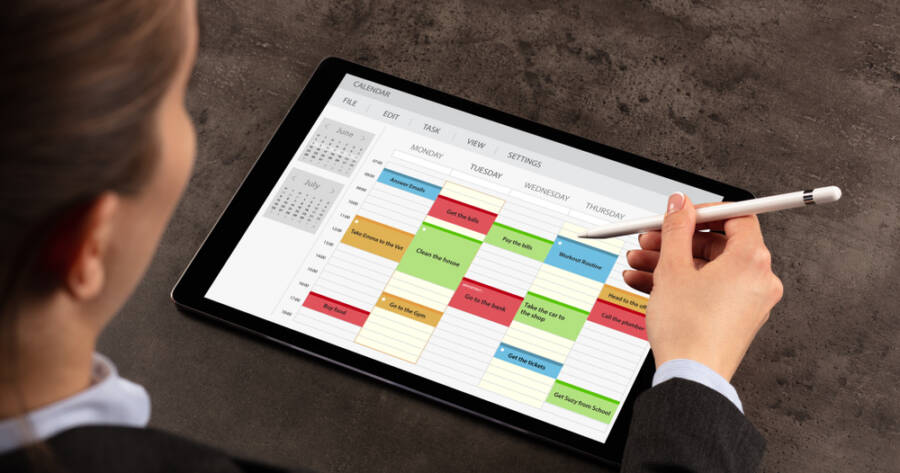
Staying focused throughout the day can be difficult, especially with constant distractions and shifting priorities. Many people rely on to-do lists, but without structure, tasks can pile up or get pushed aside. Time blocking offers a simple way to take control of your schedule by assigning specific time slots to each task. Understand how the approach helps reduce distractions, improve focus, and make better use of your time.
What Time Blocking Is and Why It Works
Time blocking is a scheduling method where you divide your day into sections, or “blocks,” and assign each block to a specific task or type of work. Instead of jumping between tasks, you focus on one activity during each set period.
This method works because it removes the need to constantly decide what to do next. When your day is already planned, you can move from one task to another without hesitation. This reduces mental fatigue and helps you stay focused on the work in front of you.
Start by Listing Your Daily Priorities
Before you can block your time, you need to know what tasks matter most. Start by listing your key priorities for the day. Focus on tasks that require attention and effort, rather than filling your list with small or low-impact items.
Once you have your list, group similar tasks together. For example, you might group meetings, focused work, or personal tasks into categories. This makes it easier to assign them to specific time blocks and keep your schedule organized.
Assign Clear Time Blocks to Each Task
After identifying your priorities, begin assigning time blocks to each task. Choose realistic time frames based on how long each activity usually takes. It is better to leave extra space than to overpack your schedule.
Place your most important or demanding tasks during times when you have the most energy. For many people, this is earlier in the day. Scheduling focused work during these periods helps improve productivity and results.
Limit Distractions During Each Block
Time blocking is most effective when you protect each block from interruptions. This means reducing distractions like phone notifications, unnecessary emails, or unrelated tasks during your scheduled time.
Let others know when you are focusing on important work if needed. Even small steps, like closing extra tabs or silencing notifications, can help you stay on track. The goal is to give each task your full attention during its assigned time.
Build Breaks into Your Schedule
Working nonstop can lead to fatigue and reduced focus. Including short breaks between time blocks helps maintain energy and prevents burnout. These breaks give your mind a chance to reset before moving to the next task.
Simple activities like stretching, walking, or stepping away from your screen can make a difference. Planning breaks ahead of time ensures they are part of your routine rather than something you skip when you feel busy.
Use Time Blocks for Both Work and Personal Tasks
Time blocking is not limited to work tasks. It can also be used to organize personal activities, such as exercise, meals, or errands. Including these in your schedule creates a more balanced day.
By planning both work and personal time, you reduce the chance of overworking or neglecting important areas of your life. This approach helps create a routine that supports both productivity and well-being.
Stay Flexible When Needed
While time blocking provides structure, it is important to remain flexible. Unexpected tasks or changes may require adjustments to your schedule. Instead of abandoning your plan, shift blocks as needed.
Keeping some open space in your schedule can help you handle changes without feeling overwhelmed. Flexibility allows your system to work in real life, not just on paper.
Review and Adjust Your Schedule
At the end of the day, take a few minutes to review how your schedule worked. Notice which blocks were effective and where adjustments may be needed.
This reflection helps you improve your time blocking system over time. Small changes, such as adjusting block lengths or rearranging tasks, can lead to better results. The more you refine your approach, the more effective it becomes.
A Simple Structure for Better Focus
Time blocking is a practical way to improve daily focus and take control of your schedule. By assigning clear time slots to your tasks, you reduce distractions and make better use of your time.
The goal is not to create a perfect schedule, but to build a system that helps you stay consistent. With regular use and small adjustments, time blocking can become a reliable tool for improving productivity and making each day more focused and organized.