

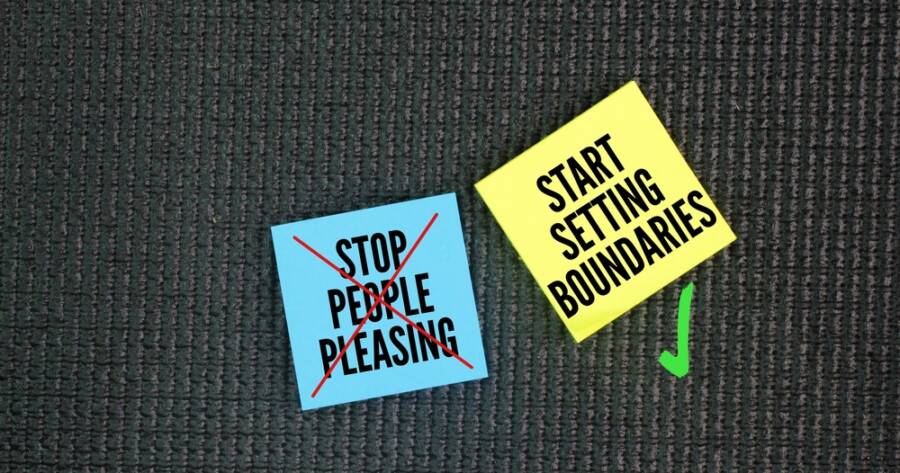
Setting boundaries with others can feel uncomfortable, especially if you want to avoid conflict or keep relationships smooth. Many people struggle with saying no or expressing their needs clearly, which can lead to stress and frustration over time. The good news is that boundaries do not have to create tension. When done thoughtfully, they can actually improve relationships. By using simple and respectful approaches, you can protect your time and energy while maintaining a sense of balance and mutual respect.
Understand What Boundaries Really Are
Boundaries are not about pushing people away or being difficult. They are simply limits that help you define what is acceptable and what is not. These limits protect your time, energy, and emotional well-being.
When you understand your own needs, it becomes easier to communicate them. Boundaries can be as simple as setting work hours, limiting how often you respond to messages, or deciding how much you are willing to take on. Clear boundaries help create more stable and respectful interactions.
Be Clear and Direct Without Being Harsh
One of the most effective ways to set boundaries is to communicate clearly and directly. Avoid vague language or hints, as these can lead to confusion. Instead, state your needs in a calm and straightforward way.
For example, saying “I’m not available this evening” is clearer than giving a long explanation. You do not need to over-explain or justify every decision. Being respectful and direct helps others understand your limits without creating unnecessary tension.
Use Consistent Language and Actions
Consistency is key when setting boundaries. If you say no one day but agree the next time under the same conditions, it can send mixed signals. This makes it harder for others to understand your limits.
Following through on your boundaries helps build trust. Over time, people learn what to expect from you. This reduces the need for repeated conversations and helps maintain a more peaceful dynamic.
Start Small and Build Confidence
If setting boundaries feels difficult, it can help to start with smaller situations. Practice saying no to low-pressure requests or setting limits in everyday interactions.
As you gain confidence, it becomes easier to apply boundaries in more important areas. Small successes can help you build the habit of speaking up without feeling uncomfortable. Over time, this approach becomes more natural.
Focus on Your Needs, Not Blame
When communicating boundaries, it is important to focus on your own needs rather than blaming others. This keeps the conversation calm and avoids unnecessary conflict.
Using phrases like “I need more time to focus on my work” is more effective than saying “You’re asking too much.” This approach keeps the tone neutral and helps the other person understand your perspective without feeling criticized.
Prepare for Different Reactions
Not everyone will respond to boundaries in the same way. Some people may accept them easily, while others may need time to adjust. It is important to stay calm and stick to your limits.
If someone reacts negatively, remind yourself that setting boundaries is part of maintaining balance. You can acknowledge their feelings while still holding your position. This helps keep the situation respectful without giving up your needs.
Protect Your Time and Energy
Boundaries often relate to how you use your time and energy. Without limits, it is easy to become overcommitted or stretched too thin. Setting clear expectations helps prevent this.
For example, you might decide not to check messages after a certain time or limit how many commitments you take on in a week. These small choices can make a big difference in how you feel day to day.
Practice Saying No in a Simple Way
Saying no is one of the most important boundary-setting skills. It does not have to be complicated or uncomfortable. A simple and polite response is often enough.
You can say “I’m not able to take that on right now” or “I’ll have to pass this time.” Keeping your response short and clear helps avoid confusion and makes it easier to maintain your boundaries.
Maintain Respect While Holding Firm
Setting boundaries does not mean being rigid or unkind. You can be respectful and considerate while still holding firm to your limits. This balance helps maintain positive relationships.
Listening to others and showing understanding can go a long way. At the same time, it is important not to compromise your needs to avoid discomfort. A respectful but steady approach supports long-term peace.
Boundaries That Support Healthy Relationships
Setting interpersonal boundaries is a practical way to create balance in your relationships. By being clear, consistent, and respectful, you can protect your time and energy without creating conflict.
The goal is not to control others, but to communicate your needs in a way that supports mutual understanding. With practice, boundaries can become a natural part of your interactions, helping you maintain both personal well-being and stronger, more positive relationships.