

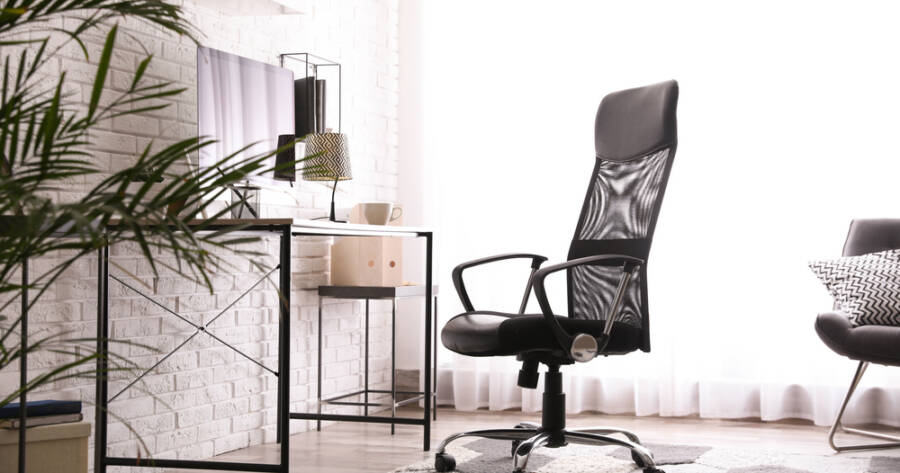
Long hours at a desk can take a toll on posture, comfort, and overall energy levels. The right office chair plays a major role in reducing strain and supporting focus throughout the workday. With so many options available, finding a chair that balances comfort, durability, and adjustability can feel overwhelming. A well-chosen chair supports the spine, encourages better sitting habits, and helps create a workspace that feels productive rather than physically draining.
What to Look for in a Comfortable Office Chair
A good office chair starts with proper ergonomic support. Sitting for extended periods places stress on the spine, especially without adequate lower back support. Chairs with adjustable lumbar support help maintain the natural curve of the lower back and reduce strain during long work sessions. Seat height should also be adjustable so feet rest flat on the floor while arms align comfortably with the desk.
Other features play an important role in overall comfort. Adjustable armrests allow shoulders to stay relaxed, while a supportive backrest helps maintain posture. Breathable materials can prevent overheating, especially during long hours of use. A combination of adjustability, support, and comfort-focused design helps ensure the chair fits individual needs rather than forcing the body into an unnatural position.
Steelcase Gesture for Maximum Adjustability
The Steelcase Gesture stands out as one of the most adaptable office chairs available. Its wide range of adjustments allows users of different sizes and working styles to find a comfortable position. The armrests move easily to support various tasks, whether typing, reading, or using a tablet.
Durability also plays a major role in its appeal. Built with high-quality materials, the Gesture maintains support over years of use. Many users find it especially helpful for long workdays, where consistent comfort matters most. While the price sits at a premium level, the level of customization and long-term reliability make it a strong investment for those who spend most of their day at a desk.
Herman Miller Aeron for Breathable Support
The Herman Miller Aeron is known for its distinctive mesh design and long-lasting comfort. Its breathable seat and back help regulate temperature, making it a great option for people who tend to run warm during long work sessions. The chair also comes in multiple sizes, which helps accommodate a wider range of body types.
Support remains consistent throughout the day thanks to its ergonomic structure. While the armrest adjustability isn’t as extensive as some competitors, the overall design still provides excellent posture support. Its reputation for durability and a long warranty adds to its appeal. For those seeking comfort with a lighter, more breathable feel, the Aeron remains a top contender.
HON Ignition 2.0 for Budget-Friendly Ergonomics
The HON Ignition 2.0 offers a strong balance between affordability and functionality. It includes many adjustable features typically found in higher-priced chairs, such as seat depth, tilt control, and lumbar support. That flexibility makes it a practical option for users who want ergonomic benefits without a premium price tag.
Comfort holds up well for daily use, especially for standard office tasks. While it may not match the durability of higher-end models, it still delivers solid performance for its price range. Users who need a reliable chair for long work sessions without overspending often find the Ignition 2.0 to be a worthwhile choice.
Branch Task Chair for Everyday Comfort and Value
The Branch Task chair is often recognized for delivering comfort at a mid-range price. It features a supportive backrest and adjustable lumbar support, which helps maintain proper posture during long workdays. Its design works well for average users, offering a balance between simplicity and ergonomic support.
Additional features like tilt-lock settings and soft armrests enhance everyday usability. While it may not include every advanced adjustment found in premium models, it covers the essentials needed for comfort and productivity. For those looking for a dependable chair that fits into a moderate budget, the Branch Task chair offers strong overall value.
Steelcase Leap for Long-Hour Support
The Steelcase Leap is widely regarded as one of the best chairs for extended sitting. Its flexible backrest adjusts naturally with movement, helping maintain support throughout the day. Built-in lumbar support adapts to different positions, which can reduce strain during long hours of focused work.
Adjustability extends to armrests, seat depth, and tilt settings, allowing users to fine-tune their seating position. The overall build quality also contributes to long-term comfort and reliability. Although the price may be higher than entry-level options, many users find the long-term comfort and support well worth the investment for daily use.
Tralt Ergonomic Chair for Affordable Comfort
The Tralt ergonomic chair has gained popularity as a budget-friendly option with useful features. It includes adjustable lumbar support and a supportive backrest, which helps improve posture during everyday tasks. The headrest also adjusts to provide added comfort during upright work or short breaks.
While the seat cushion may not be as durable as higher-end models, it still offers decent comfort for the price. Assembly can take more time compared to simpler designs, but the overall feature set makes it appealing for cost-conscious buyers. For those seeking an entry-level ergonomic chair, the Tralt provides a solid starting point.
Finding the Right Fit for Long-Term Comfort
Choosing the right office chair comes down to finding a balance between support, adjustability, and budget. A well-designed chair can reduce discomfort, improve posture, and make long workdays feel more manageable. Investing in quality seating often leads to better focus and fewer physical distractions over time.
Comfort also depends on personal preference, so testing different features when possible can make a big difference. Whether selecting a premium model or a budget-friendly option, prioritizing ergonomic support helps create a workspace that supports both productivity and well-being.